Experienced Living Trust Attorney Cobb County Georgia Helping Avoid Probate Issues
Comprehensive Estate Planning Attorney Services for Tranquility of Mind
A detailed succession planning legal counsel provides vital services in shielding one's destiny. These experts aid in expressing intentions through enforceable documents, such as last testaments and trusts. They additionally manage healthcare directives, ensuring that personal values are respected. However, many overlook the importance of periodic reviews and revisions. What transpires when significant life changes occur or tax laws shift? Grasping these nuances is essential for sound planning. The implications can be major and far-reaching.
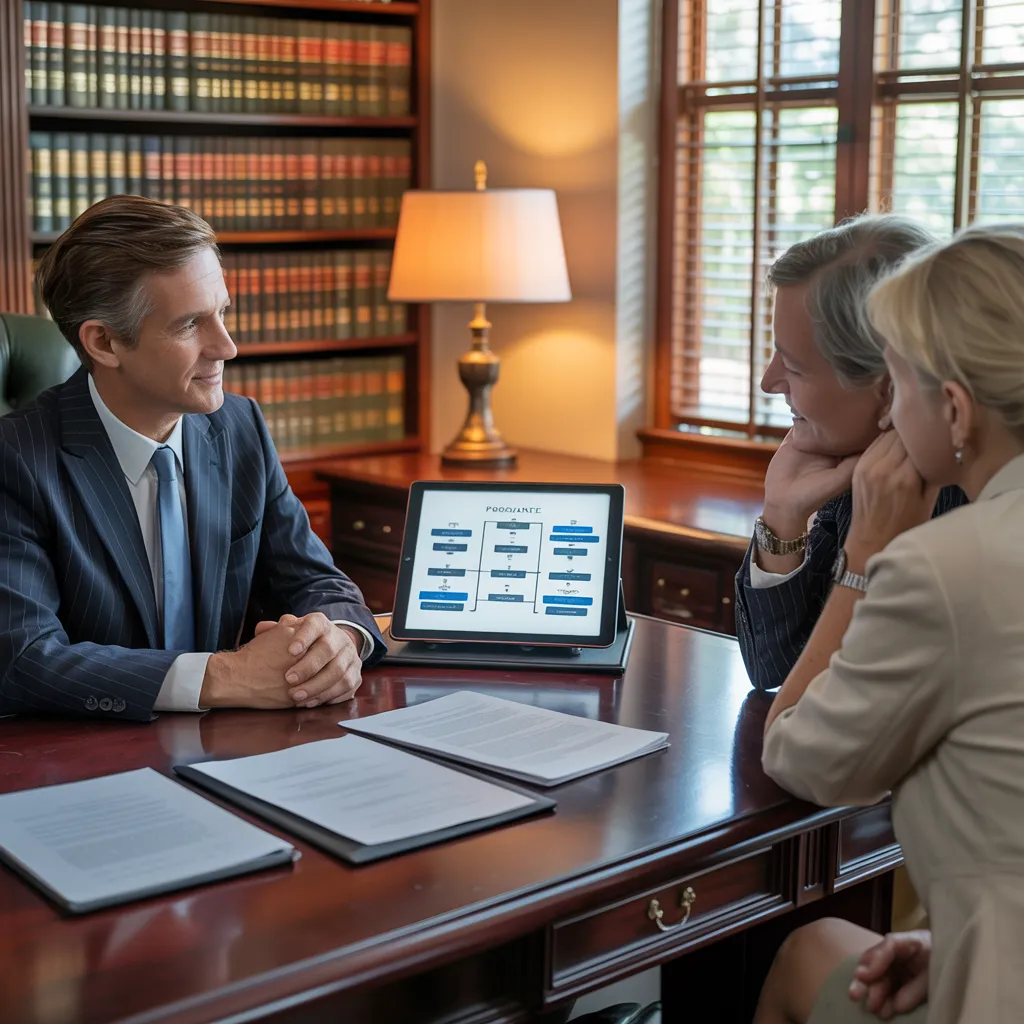
Reasons You Should Start Wealth Planning Immediately
While many people may delay estate planning, the reality is that unforeseen situations can occur at any time, making it crucial to have a plan in place. Estate planning is not simply for the wealthy; it is a vital process for anyone who wants to ensure their wishes are upheld. By establishing a comprehensive estate plan, people can decide how their assets will be managed and distributed, thereby minimizing potential conflicts among heirs.
Additionally, a robust plan can manage healthcare preferences, select guardians for minor children, and outline clear instructions for final medical directions. Without these elements, families may confront legal challenges and emotional turmoil during difficult times. Moreover, timely estate planning can lead to tax advantages, building wealth for future generations. Fundamentally, proactive estate planning provides peace of mind, safeguarding both personal and financial legacies against unforeseen circumstances.
Standard Misbeliefs Concerning Estate Planning
What misconceptions surround estate planning that lead many to postpone or disregard its importance? One prevalent belief is that estate planning is only for the wealthy, which ignores its relevance for individuals of all financial backgrounds. Another common misunderstanding is that estate planning is a one-time task; in reality, it demands regular updates to reflect life changes. Many people also assume that a will is sufficient, neglecting the benefits of trusts and other planning tools. Additionally, some believe that estate planning is solely about allocating wealth, ignoring its role in health care decisions and guardianship for dependents. Finally, the notion that estate planning is overly complex can deter individuals from obtaining assistance. These misconceptions contribute to procrastination, ultimately weakening the peace of mind that effective estate planning can deliver. Addressing these beliefs is essential for promoting proactive engagement in the estate planning process.
Critical Assistance From Estate Planning Legal Experts
Estate planning advocates provide a assortment of essential supports formed to facilitate individuals work through the complexities of setting up for the forthcoming years. These experts help in formulating wills, which clarify the distribution of assets, and establish trusts to handle wealth during and after a client's lifetime. They also extend guidance on healthcare directives and powers of attorney, pledging that personal and medical decisions are made according to the individual's wishes in case of incapacity.
Moreover, succession planning legal professionals conduct detailed reviews of previous documents, identifying conceivable gaps or outdated terms. They present personalized strategies to resolve concrete family dynamics and unique fiscal circumstances. Moreover, these legal professionals enable patrons grasp the ramifications of probate and the necessity of appropriate asset registration. By providing tailored legal guidance and records, estate see this article planning attorneys guarantee that their clients' intentions are plainly articulated and legally valid, in the end delivering peace of mind.
Tax Techniques For Estate Planning Excellence
Effective taxation strategies are essential in successful estate planning, ensuring that individuals optimize their wealth while decreasing tax burdens. By implementing methods such as gifting assets during one’s lifetime, instead of inheriting them after death, estate taxes can be effectively reduced. Furthermore, employing tax-deferred accounts enables wealth to be preserved, letting investments grow without immediate tax consequences.
Creating trusts is another important strategy, since they can offer significant tax advantages and control over asset distribution. Charitable contributions, via donor-advised funds or charitable remainder trusts, can additionally diminish taxable income while benefiting charity work.
In addition, understanding the effects of federal and state estate tax laws is essential. Regularly assessing and fine-tuning estate plans ensures alignment with evolving tax regulations and personal circumstances. By actively addressing these strategies, individuals can establish a more favorable financial future for their heirs, ultimately accomplishing their estate planning goals.
Grasping Healthcare Directives
While many individuals prioritize financial aspects of estate planning, learning about healthcare directives is equally essential. These legal documents allow individuals to convey their medical treatment preferences in case they become incapacitated. A healthcare directive typically includes a living will and a durable power of attorney for healthcare, granting designated agents to make medical decisions on behalf of the individual.
Dangers Associated With Not Establishing An Estate Planning Strategy?
What transpires when someone fails to establish an estate plan? The lack of an estate plan can lead to a series of unintended consequences. Without explicit instructions, state laws dictate the distribution of assets, which may not match the individual's wishes. This can result in family conflicts, prolonging the probate process and raising legal fees. Additionally, without designated guardianship for minor children, the court determines their future, potentially placing them with unfamiliar caretakers.
Moreover, the lack of a healthcare advance directive can position family members in challenging situations during medical emergencies, as they may be unclear about the person's preferences regarding life-prolonging treatments. Ultimately, neglecting to plan can generate confusion, financial hardship, and psychological turmoil for dear ones, compromising the very peace of mind that estate planning attempts to provide.
Frequently Requested Questions
How Much Does Estate Administration Usually Cost?
Estate planning costs range from $500 to $5,000 depending on complexity and attorney fees. Basic wills may cost less, while intricate trusts and estates demand more time and legal expertise, boosting overall costs.
Can I Prepare an Estate Planning Document Without an Attorney?
Yes, people can create an property arrangement without an attorney, using internet tools or forms. However, expert advice guarantees regulatory adherence and handles intricacies that could occur, eventually offering more security and understanding for the individual's wishes.
Which Documents Are Included of an Estate Plan?
An estate arrangement typically features a will, power of attorney, healthcare proxy, living trust, and beneficiary designations. These documents in combination express an individual's wishes about asset distribution, medical decisions, and legal authority after death or incapacitation.
How Often Ought to I Update My Estate Planning Documents?
An estate plan should be reviewed and potentially updated every 3 to 5 years or after significant life events, such as marriage, separation, the arrival of a child, or substantial changes in financial circumstances.
What takes place if I move to a different State?
If a person moves to a different state, their estate plan may need modification to adhere to local laws. It's essential to examine and modify documents to make certain they remain legally binding and functional in the new jurisdiction.